

Introduction to Peru’s Rich History
Peru presents a captivating tapestry of history, woven through the legacies of ancient civilizations that have left an indelible mark on the country’s culture and identity. The most notable of these are the Incas, whose empire flourished from the early 15th century until the Spanish conquest in the 16th century. The Incas, known for their remarkable achievements in architecture, agriculture, and resource management, established a vast network of roads and settlements across the rugged Andean terrain, thereby enhancing connectivity and trade.
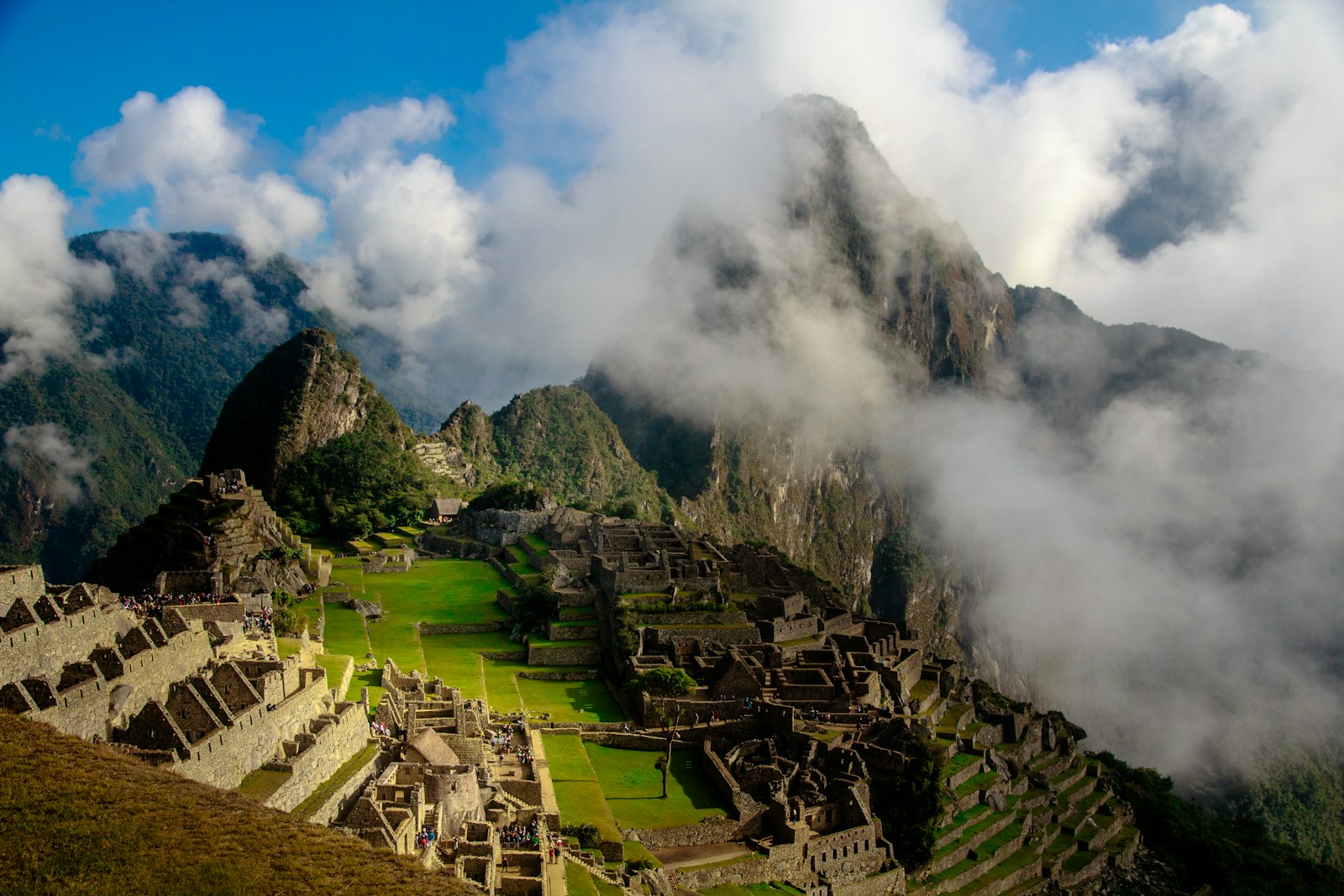
The Inca civilization is perhaps best exemplified by the architectural marvel of Machu Picchu, an ancient citadel set high in the Andes Mountains. This UNESCO World Heritage site, often regarded as one of the most significant symbols of Peru travel, reflects not only the skilled engineering of the Incas but also their profound understanding of astronomy and agriculture. The terraced farming techniques developed by the Incas were revolutionary for their time, enabling them to cultivate diverse crops in the challenging mountain environment. This agricultural prowess was essential for sustaining their population and supporting their empire’s expansion.
Additionally, the historical narrative of Peru is enriched by other prominent cultures, such as the Moche, Nazca, and Tiwanaku, each contributing unique cultural practices, artistic expressions, and technological advancements. The intricate pottery, textiles, and architectural remnants from these civilizations offer poignant insights into the lives of their people and their interactions. The modern exploration of these archaeological sites not only attracts visitors but also provides valuable knowledge to historians and archaeologists, adding layers to our understanding of Peru’s legacy.
As one embarks on a journey through Peru, the opportunity to explore these ancient wonders, such as Machu Picchu and other significant sites, becomes a voyage through time, revealing the complexities and achievements of those who inhabited this remarkable land long before modernity.
Machu Picchu: The Crown Jewel of the Inca Empire
Machu Picchu stands as an iconic symbol of the Inca Empire, showcasing the remarkable ingenuity and architectural talent of its builders. This ancient citadel, perched at over 2,400 meters in the Andes Mountains, was brought to prominence in the early 20th century following its rediscovery by American historian Hiram Bingham in 1911. However, its origins date back to the 15th century when it was constructed under the reign of the Inca emperor Pachacuti. The precise reasons for its construction remain a topic of scholarly debate, with theories ranging from a royal estate to a religious retreat.
The architectural brilliance of Machu Picchu is evident in its sophisticated dry-stone construction, which has withstood centuries of weathering and seismic activity. The site features an intricate layout, incorporating agricultural terraces, religious temples, and residential areas, all harmoniously integrated into the surrounding landscape. The ingenuity of the Inca engineers is also exemplified in the clever water management systems and the precise alignment of structures with astronomical events. Machu Picchu’s design not only reflects the Inca’s advanced understanding of architecture but also their deep connection to nature.
This UNESCO World Heritage site is not only architecturally significant but also serves as a vital link to the culture and beliefs of the Inca civilization. The mystical aura surrounding Machu Picchu is enhanced by its dramatic setting, with sweeping views of the Andean peaks and lush valleys. Reaching this magnificent site involves either a scenic train journey from Cusco or an adventurous trek along the Inca Trail. Visitors planning their peru travel experience should consider booking tickets in advance and choosing guided tours to deepen their understanding of this extraordinary site. The journey to Machu Picchu is as memorable as the destination itself, providing glimpses into the rich history and culture of the Inca Empire.
The Sacred Valley: A Cultural and Spiritual Hub
The Sacred Valley, often regarded as the heart of ancient Peru, presents an unparalleled convergence of breathtaking landscapes, rich agricultural heritage, and vibrant cultural identity. Nestled between the towering Andes mountains, this picturesque region once served as the primary agricultural hub for the Inca Empire, providing a fertile ground for diverse crops, including maize, quinoa, and potatoes. Today, the Sacred Valley continues to be a testament to Peru’s agricultural innovation and resilience, attracting travelers eager to explore its lush terraces and traditional farming methods.
Among the notable towns in the Sacred Valley is Ollantaytambo, an architectural marvel steeped in Incan history. Here, visitors can wander through ancient ruins that showcase intricate stonework and the advanced engineering techniques employed by the Incas. The town’s impressive fortress, which was strategically built to guard against intrusions, offers stunning panoramic views of the valley. Additionally, Ollantaytambo serves as a popular starting point for those planning to embark on the iconic Peru travel experience to Machu Picchu, making it a vital link in the journey through Peru’s rich heritage.
Another significant location within the Sacred Valley is Pisac, renowned for its bustling markets and well-preserved archaeological sites. The Pisac Market, held weekly, is a vibrant display of local craftsmanship, where artisans present colorful textiles, pottery, and intricate jewelry. The nearby ruins, located high on the mountainside, include agricultural terraces and ceremonial structures, providing a deeper insight into the spiritual life of the Incas. As travelers navigate through the Sacred Valley, they’re not only discovering ancient relics but also connecting with the indigenous cultures that continue to preserve traditional practices and customs.
In conclusion, the Sacred Valley encapsulates the essence of Peru’s historical and cultural landscape. A journey through this region enhances the overall experience of ancient Peru, allowing travelers to appreciate both the natural beauty and the profound historical significance of the Inca civilization.
Exploring Cusco: The Historic Capital of the Incas
Cusco, the historic capital of the Incan Empire, serves as a gateway for many Peru travel enthusiasts seeking to uncover the rich tapestry of Incan history and culture. The city is renowned for its unique blend of Incan and colonial architecture, making it a fascinating destination for those interested in both history and art. One particularly striking example of this architectural fusion can be found at Qorikancha, the Temple of the Sun, which once was one of the most important temples in the Incan religion. Today, it hosts a colonial church, allowing visitors to witness the layers of history that define Cusco.
Another must-visit site is Sacsayhuamán, an impressive Incan fortress located just outside the city. Known for its massive stone walls, constructed with remarkable precision, Sacsayhuamán offers breathtaking views of Cusco, alongside an invaluable insight into Inca engineering prowess. The meticulous craftsmanship displayed here illustrates the Inca’s deep understanding of architecture and their connection to the surrounding landscape. As you explore the site, one can truly appreciate how these ancient structures have withstood the test of time.
Beyond the architectural wonders, Cusco is rich in cultural experiences. The city hosts numerous festivals, including Inti Raymi, a reenactment of a traditional Incan ceremony that honors the sun. Local cuisine, renowned for its unique flavors and ingredients, also plays a significant role in the culinary landscape of Cusco. Visitors can savor regional dishes such as ceviche and lomo saltado, as well as participate in cooking classes that offer deeper insights into traditional Peruvian cooking methods. These experiences provide an essential connection to the heritage of this vibrant city, ensuring that a journey to Cusco is thoughtfully intertwined with the exploration of Peru travel destinations. Through these cultural offerings, travelers can gain a richer understanding of Cusco’s legacy and its importance in the context of the Incan Empire.
Alternative Treks to Machu Picchu: Discovering Hidden Gems
Exploring the iconic landmarks of Peru travel often leads adventurers to the famous Inca Trail; however, various alternative treks provide equally captivating experiences. One of these is the Salkantay Trail, which offers breathtaking views of the snow-capped Salkantay Mountain. This trek typically spans five days, covering diverse terrain that includes lush rainforests, high-altitude landscapes, and picturesque valleys. The highest point along the Salkantay Trail reaches 4,600 meters, making it a challenging hike suitable for experienced trekkers. Guided tours are available, which enhance the experience by providing local insights and safety measures.
Another remarkable option is the Lares Trek, which immerses travelers in the rich cultural heritage of the Andean people. This trek takes approximately four days and features stunning vistas of the Andes, accompanied by traditional villages and vibrant local markets. The Lares Trek is known for its moderate level of difficulty, making it ideal for those looking for a balance between adventure and accessibility. Groups often have the chance to engage with local communities, allowing for a unique glimpse into daily life in the region.
For those interested in independent hiking, both trails can be navigated without a guide; however, preparation is paramount. Proper gear, a solid understanding of the trail’s layout, and acclimatization to the altitude are crucial for a safe and enjoyable experience. Each of these lesser-known trekking routes to Machu Picchu provides distinct natural beauty and cultural encounters, making them worthy alternatives for those seeking to delve deeper into the wonders of Peru travel. Choosing the right trek ultimately depends on personal preferences and fitness levels, ensuring an unforgettable adventure amidst the ancient landscapes of Peru.
The Wonders of Northern Peru: Chan Chan and Kuelap
Northern Peru is home to remarkable ancient sites that reflect the rich cultural legacy of pre-Columbian civilizations. Among these treasures, Chan Chan and Kuelap stand out due to their historical significance and architectural marvels. Chan Chan, once the capital of the Chimu Kingdom, is renowned as the largest adobe city in the world, covering an area of approximately 20 square kilometers. Established around the 12th century, this site showcases sophisticated urban planning and intricate decorative motifs, such as fish, birds, and geometric shapes, which hold profound cultural meanings related to the Chimu’s daily life and spirituality.
Visitors to Chan Chan can wander through the labyrinthine streets, explore various palaces, and appreciate the engineering expertise that allowed for the creation of structures primarily crafted from adobe blocks. The site’s designation as a UNESCO World Heritage Site highlights its importance as a symbol of ancient Peruvian culture and showcases the necessity of preserving such remarkable sites for future generations. The warm coastal climate has helped preserve Chan Chan’s distinctive architecture, making it a valuable destination for those interested in Peru travel.
Inland from Chan Chan lies Kuelap, a stunning mountaintop fortress built by the Chachapoya civilization. Often overshadowed by Machu Picchu, Kuelap offers stunning views of the cloud forest and an unparalleled glimpse into the lives of its ancient inhabitants. Constructed in the 6th century, this impressive structure includes massive stone walls that rise over 20 meters in height and encircle the complex with numerous circular buildings. The fortress served both defensive and ceremonial purposes, imposing yet ethereal, and features intricate stone carvings that reflect the artistry of the Chachapoya people.
Overall, both Chan Chan and Kuelap are essential components of any traveler’s itinerary when exploring the intricate history that defines Peru travel. Their unique architectural styles and cultural contexts make them indispensable for anyone looking to understand the ancient civilizations that once thrived in the region.
Preserving Peru’s Heritage: Challenges and Efforts
Peru is renowned for its rich cultural heritage, with Machu Picchu standing as a testament to the incredible architectural and historical achievements of the Inca civilization. However, the preservation of Peru’s ancient sites faces numerous challenges that threaten their integrity and sustainability. One of the primary challenges is the significant influx of tourism, which has surged in recent years. Millions of travelers flock to these historical landmarks each year, creating wear and tear on the structures and surrounding environments. The delicate balance between allowing access for tourists and maintaining the integrity of these heritage sites poses a complex dilemma.
Additionally, environmental factors such as climate change have further exacerbated the situation. Changes in weather patterns lead to increased instances of erosion and natural disasters, which can damage the sites and compromise their longevity. This necessitates immediate action to ensure that both the natural and cultural landscapes of Peru are preserved for future generations. The urgency of these challenges underscores the importance of adopting sustainable tourism practices that mitigate the impact on these ancient wonders.
In response to these pressing issues, the Peruvian government, alongside various local organizations, has initiated a number of programs aimed at safeguarding cultural heritage while promoting responsible tourism. Efforts include the implementation of visitor limits to sensitive areas such as Machu Picchu, enhanced monitoring of tourist activities, and educational campaigns to inform travelers about responsible practices. Moreover, community engagement plays a crucial role in these preservation efforts, as local populations are often the best stewards of their heritage. By fostering a sense of ownership and partnership, these initiatives aim to create a sustainable model that allows for the continued exploration of Peru’s ancient wonders while protecting them from harm.
Practical Tips for Visiting Peru’s Ancient Sites
When planning a visit to Peru’s ancient wonders, such as Machu Picchu, it is essential to consider several practical aspects to ensure a smooth journey. One of the most critical factors is timing. The best months for Peru travel generally are from May to September, which correspond to the dry season. This period offers ideal weather conditions for trekking and sightseeing. However, it’s important to be aware that these peak months may bring a higher influx of tourists, so consider visiting during the shoulder seasons, such as April or October, for a less crowded experience.
Another vital step in your preparation is obtaining the necessary permits for Machu Picchu. Tickets can sell out quickly, especially during peak season, so it is advisable to book well in advance. Additionally, if you plan on hiking the Inca Trail, you must secure a permit months ahead as these are limited to protect the site. Researching local tour operators can also provide guided tour options that can enhance your understanding and appreciation of the ancient sites.
In terms of packing, consider the varying climate conditions. Quick-dry clothing and comfortable hiking shoes are essential. A layered approach will help you adapt to changing temperatures, especially as you ascend to higher altitudes. Don’t forget to include sunscreen, a reusable water bottle, and insect repellent in your gear. Hiring a local guide can also be beneficial, as they can provide valuable insights and historical context about the sites you will be exploring, which enriches your overall experience.
Ultimately, careful planning and preparation can significantly enhance your Peru travel experience, making your visit to Machu Picchu and other ancient wonders not only memorable but also informative.
Conclusion: A Journey Through Time and Culture
Peru travel offers a unique opportunity to delve into the rich tapestry of the country’s ancient cultures, characterized by incredible historical sites that continue to captivate visitors from around the world. At the heart of this adventure lies Machu Picchu, a testament to Incan ingenuity and architectural brilliance, which invites travelers to connect with a past that shaped not only the local landscape but also the identity of Peru. While Machu Picchu is undoubtedly iconic, the myriad of archaeological wonders found throughout the country, such as the Nazca Lines, the ruins of Ollantaytambo, and the sacred Valley of the Incas, underscore the vast cultural heritage that awaits exploration.
Engaging with these historical sites presents not just an opportunity for leisure but serves as an essential conduit for cultural education. It is vital for travelers to approach their journeys through Peru with respect and recognition of the traditions of the indigenous communities. Each site, steeped in history and narrative, embodies the spirit of those who came before and illuminates the contemporary cultural landscape of Peru. This awareness promotes responsible tourism, ensuring that the breathtaking beauty and complexities of Peru’s history continue to be preserved for generations to come.
In embarking on a Peru travel itinerary that includes visits to these revered locations, individuals enhance their understanding of global heritage, contributing to a greater appreciation of diverse cultures. By embracing the values and stories etched into the stones of Peru, travelers not only enrich their own experiences but also help keep alive the legacies of the ancient civilizations that have influenced the region for centuries. Thus, each journey into the heart of Peru can be viewed as a pilgrimage through time, fostering a deep connection with history and humanity.
